Instant Impact: Mastering the Blue Text Effect Editable Design
You know that moment when a design looks "almost" finished? The layout is solid, the images are crisp, but the text just sits there, flat and uninspired. I’ve been there countless times, especially when working on tight deadlines for social media posts or client presentations. That is exactly why I started looking for more efficient ways to handle typography. Instead of spending hours layering effects and blending options in Photoshop, I discovered a much faster workflow using vector text effects. Specifically, the concept of a "write and done" style is a game-changer for anyone who needs professional results without the steep learning curve.
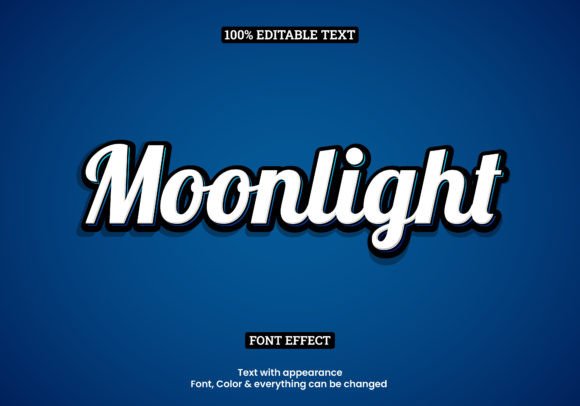
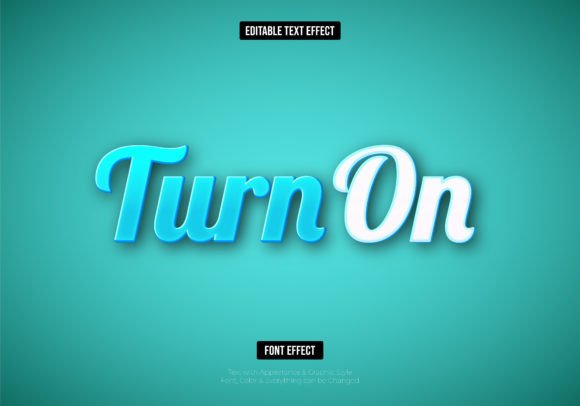
Imagine having a tool where you simply type your word, and the effect applies instantly. That is the beauty of the Blue Text Effect Editable Text Effect. It is designed to bridge the gap between complex software skills and high-end design needs. Whether you are a small business owner trying to create a flyer or a seasoned designer needing to speed up your production line, this approach changes how you view typography. It is not just about a pretty color; it is about the efficiency of having a polished, metallic, or textured look applied in seconds.
The Power of Vector-Based Typography
One of the biggest headaches in digital design is resolution. We have all tried to scale up a raster image only to see it turn into a pixelated mess. This is where the vector format (EPS and AI) becomes your best friend. Because this text effect is built in vector format, you are not limited by pixel size. You can scale your text from a small business card to a massive billboard, and the lines will remain perfectly crisp. This scalability is crucial for maintaining a professional presentation across different media.
Furthermore, working with vector files gives you total control. If the default blue doesn't match your specific brand palette, you can easily dive into the file and change it. Want to swap the font to match your brand guidelines? You can do that too. This level of customization ensures that you aren't just using a generic template; you are creating a unique asset tailored to your project. It treats typography as a flexible design asset rather than a static image.
Practical Applications: From Screen to Print
So, where exactly does a blue text effect shine? The versatility might surprise you. I have seen these styles work wonders in various niches, and here is how you can apply them to your own work:
- Logo Design & Branding: If you are launching a tech startup, a cleaning service, or a finance blog, blue conveys trust, stability, and calmness. Applying a subtle metallic or glossy effect to your logotype can make it pop without looking garish.
- Social Media Graphics: On platforms like Instagram or LinkedIn, attention spans are short. A bold, 3D-style text effect can stop the scroll. It is perfect for announcement posts, sale graphics, or video thumbnails where you need the text to be legible even when small.
- Packaging Design: For products sitting on a shelf, the packaging needs to communicate value immediately. A premium text effect can elevate a simple box into something that looks high-end.
- Editorial Layouts & Blogs: Magazine headers and blog post titles often need a punch of personality. Instead of a standard serif font, using a styled display effect can set the tone for the entire article.
Think about the last time you saw a movie poster. The title was rarely just plain black text. It had depth, texture, and lighting. While you might not be designing a blockbuster poster, the same principles apply to a local event poster or a digital invitation. The Blue Text Effect Editable Text Effect brings that cinematic quality to your everyday projects.
Speeding Up Your Workflow
Time is money, especially if you are freelancing or running a business. I remember spending hours trying to manually create a chrome or glass effect for a client project. With a pre-made but editable effect, that time is cut down to minutes. You simply type your word, and the layer styles or appearances do the heavy lifting.
This efficiency allows you to focus on other critical aspects of the design, such as layout and copy. It also reduces the barrier to entry for those who aren't masters of Adobe Illustrator or Photoshop. You don't need to know how to set up complex gradient meshes or opacity masks; the file is structured so you can edit the text and the effect updates automatically. It is a practical solution for content creators who need to produce high volumes of material, such as YouTube thumbnails or Pinterest pins, without sacrificing quality.
Ensuring Readability and Aesthetic Balance
While a fancy effect is great, it must never compromise readability. A common mistake is using overly decorative text for body copy. However, for headers, titles, and short call-to-action phrases, these effects are ideal.
When using the Blue Text Effect Editable Text Effect, consider the background you are placing it on. Blue text effects often have highlights and shadows that rely on contrast. If you place a glossy blue text on a busy blue background, the details will get lost. Ensure there is enough separation between the text and the background. If the effect is very "loud" (high gloss, heavy 3D), pair it with a clean, sans-serif font for any supporting text to maintain visual balance.
Color psychology also plays a role here. Blue is widely associated with reliability. By using this specific color for your headers, you subconsciously signal to your audience that your content or product is trustworthy. It is a subtle but effective way to influence perception.
Customization: Making It Your Own
The real value of an editable file lies in its adaptability. Let’s say you are working on a series of assets for a client. You might use the blue effect for the primary brand, but then need variations for sub-brands or specific campaigns.
- Color Shifting: Don't be afraid to change the blue to a teal or a deep navy to fit the specific mood of the project.
- Font Swapping: The effect is designed to work with the provided font, but often these styles can be applied to other similar-sized fonts. Try swapping in a bold serif or a heavy sans-serif to see how the texture wraps around different letterforms.
- Adding Texture: Since it is a vector, you can place a grunge texture over the top of the text and use a clipping mask to give it a weathered, vintage look while keeping the blue color scheme.
This flexibility makes it a long-term asset in your toolkit. It’s not a one-time use graphic; it’s a foundation for multiple design explorations.
Final Thoughts on Professional Presentation
In a crowded digital landscape, the details matter. The difference between an amateur design and a professional one often comes down to how the text is treated. Flat, default system fonts can make a brand look generic. Conversely, a well-executed text effect adds depth and intention to your design.
Whether you are designing a logo for a new client, creating a header for your website, or mocking up a product label, having a reliable, editable text effect streamlines the process. It ensures that your typography is not just readable, but memorable. By leveraging vector formats, you future-proof your designs, ensuring they look sharp on any screen or printed surface. It is a small investment in your design workflow that pays off in the quality and consistency of your final output.